• Skip to main content
  • Skip to footer
Lime Association or Texas
Login
Call us 512-771-3667
Email at DaleRand@limetexas.org
Watch LIME
  • About Us
  • Resources
  • Podcasts
  • Calculators
  • Blog
  • Contact Us
  • Login
  • Portal
What Kind of Soil Do You Have? Let’s Find Out

What Kind of Soil Do You Have? Let’s Find Out

Before you can decide how to stabilize a site, you have to understand the soil—and not just how it looks or feels. The key isn’t just the grain size, it’s how that soil behaves. Soil behavior impacts everything from strength and plasticity to long-term durability. That’s why lab testing is essential before any stabilization project. While grain size gives you clues, the real story lies in cohesion, plasticity index, and how a soil reacts to additives like lime or Portland cement.

Don’t Just Classify Soil—Test It

It’s common to start with visual classification. But two soils that look the same can behave very differently. Don’t just ask: What kind of soil does this look like? Instead, pay attention to how it performs.

Is it cohesive or granular? Does it expand and contract with moisture? What’s the plasticity index? These answers determine whether lime, cement, or another stabilizer will be effective.

Why Lime Works for High-Plasticity Clays

If you’re dealing with heavy clay soils, lime is often the best choice. That’s because lime chemically changes clay’s properties: reducing plasticity, improving strength, and limiting shrink/swell behavior.

Lime-treated clays are more stable, easier to work with, and capable of meeting specs without expensive undercuts or import material. It’s one of the most efficient and cost-effective ways to turn a problematic subgrade into a reliable foundation.

Cement Is More Effective for Sandy Soils

On the flip side, lime isn’t the answer for everything. Sandy soils don’t react chemically with lime the way clays do. These non-cohesive soils need a binding agent, not a chemical reaction, making Portland cement the better option. Cement binds sand particles and builds structure where there isn’t much naturally.

And Then There’s Silt…

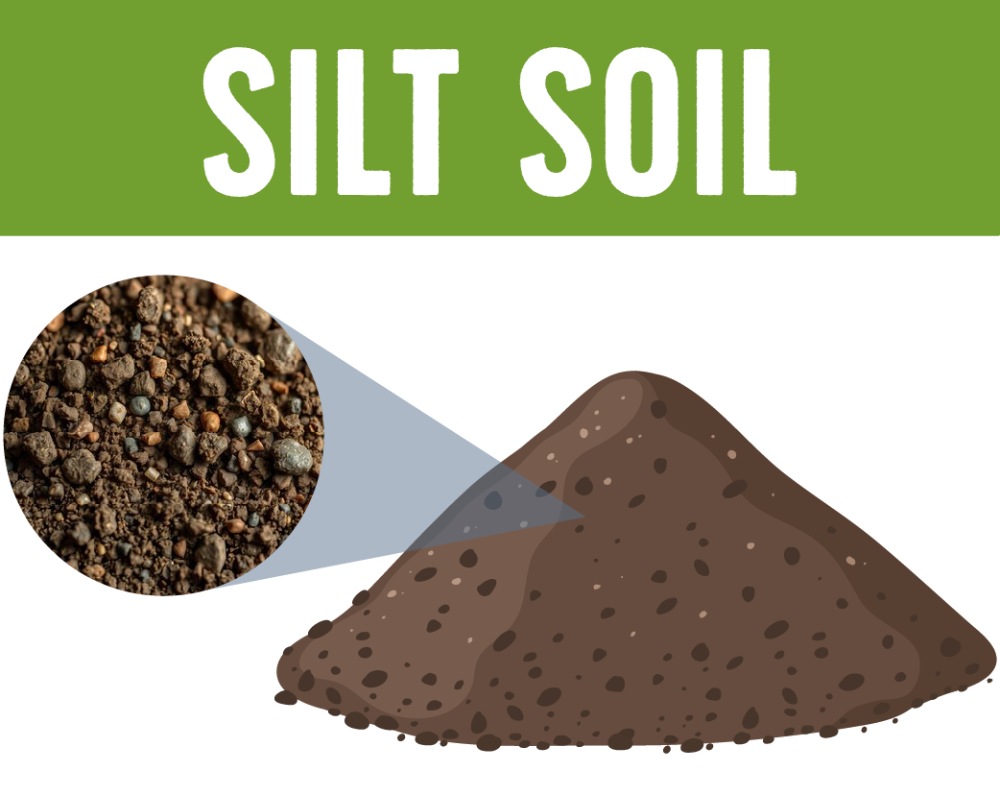
Silty soils are some of the hardest to work with. They may not respond well to either lime or cement. In many cases, they underperform no matter what you try, which is why replacement may be the most practical option in the long run.

No two soils are the same, and assumptions can lead to failure. That’s why lab testing should always drive your stabilization decisions. A lime series test will help determine reactivity, dosage, and suitability for lime treatment, and help avoid over- or under-application.
The takeaway: Start with the soil. Understand how it behaves. Then select the treatment that gives it the performance you need. Looking for help evaluating whether your site is a good candidate for lime stabilization? Contact us or try our free online lime calculators to get started.

By: 09/02/25 Category:

Lime Association Of Texas

Call us 512-771-3667

Email at DaleRand@limetexas.org

Lime Promotional Video

X

Watch LIME

Navigation Menu

  • Home
  • About Us
  • Resources
  • Calendar
  • Calculators
  • Blog
  • Contact Us

Our Mission

The Lime Association of Texas (LAT) represents the collective interests of an industry with a long history of service to the State of Texas. Quality, integrity and responsive action to the customers and governmental agencies of Texas are the hallmark of the LAT mission. The member companies engage in the manufacture of high quality lime products and guide the efforts of the industry through participation in the LAT to the benefit the end users of lime.

-Dale A. Rand P.E., Executive Director

Copyright ©  2025 The Lime Association of Texas. All Rights Reserved.

The materials and information contained herein are for general guidance and reference purposes only for professionals competent to evaluate the significance and limitations of their content. The materials and information do not constitute a standard, specification, or regulation. Third party materials reflect the views of the authors, who are responsible for the accuracy of the facts, data, opinions, findings, and conclusions presented therein. The contents do not necessarily reflect the official views or policies of the Lime Association of Texas.

Manage Consent
To provide the best experiences, we use technologies like cookies to store and/or access device information. Consenting to these technologies will allow us to process data such as browsing behavior or unique IDs on this site. Not consenting or withdrawing consent, may adversely affect certain features and functions.
Functional Always active
The technical storage or access is strictly necessary for the legitimate purpose of enabling the use of a specific service explicitly requested by the subscriber or user, or for the sole purpose of carrying out the transmission of a communication over an electronic communications network.
Preferences
The technical storage or access is necessary for the legitimate purpose of storing preferences that are not requested by the subscriber or user.
Statistics
The technical storage or access that is used exclusively for statistical purposes. The technical storage or access that is used exclusively for anonymous statistical purposes. Without a subpoena, voluntary compliance on the part of your Internet Service Provider, or additional records from a third party, information stored or retrieved for this purpose alone cannot usually be used to identify you.
Marketing
The technical storage or access is required to create user profiles to send advertising, or to track the user on a website or across several websites for similar marketing purposes.
Manage options Manage services Manage {vendor_count} vendors Read more about these purposes
View preferences
{title} {title} {title}